About this page
This is a short guide, not a restaurant list. We name no restaurants and give no prices, because we have no dated source for either. The descriptions below come from UNESCO and Wikipedia, which are a heritage register and a secondary source. We checked them on 25 October 2026.
Lavash
Lavash is the bread to know. Wikipedia describes it as a thin flatbread, usually leavened and traditionally baked in a tonir, the clay oven.
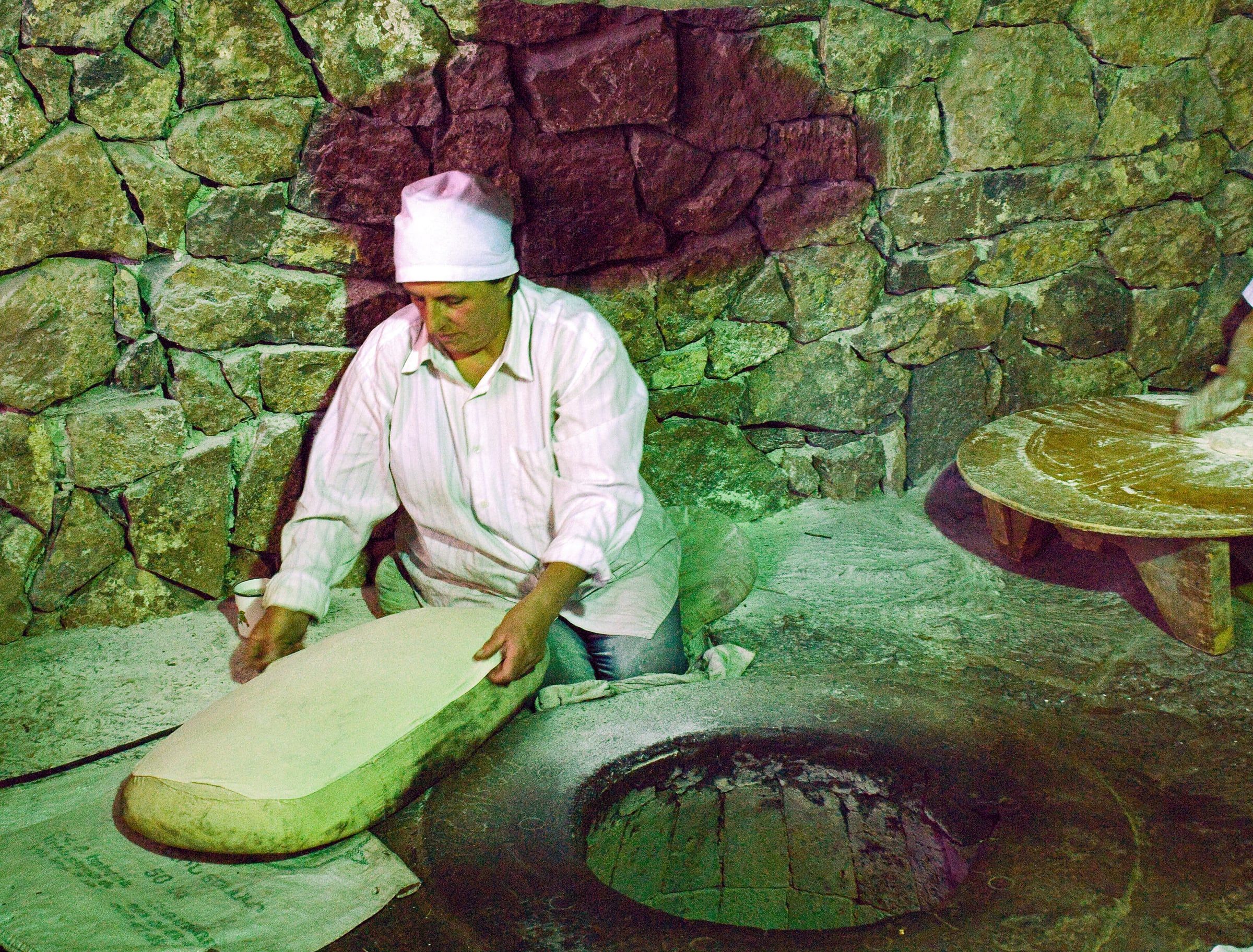
UNESCO lists “Lavash: the preparation, meaning and appearance of traditional bread as an expression of culture in Armenia” on the Representative List of the Intangible Cultural Heritage of Humanity. It was inscribed in 2014. UNESCO says the dough is stretched over a special oval cushion and slapped onto the wall of a conical clay oven. The bread is often wrapped around cheese, herbs or meat, and it can be stored for months. At weddings, UNESCO says, it is placed on the newlyweds’ shoulders as a wish for fertility and prosperity.
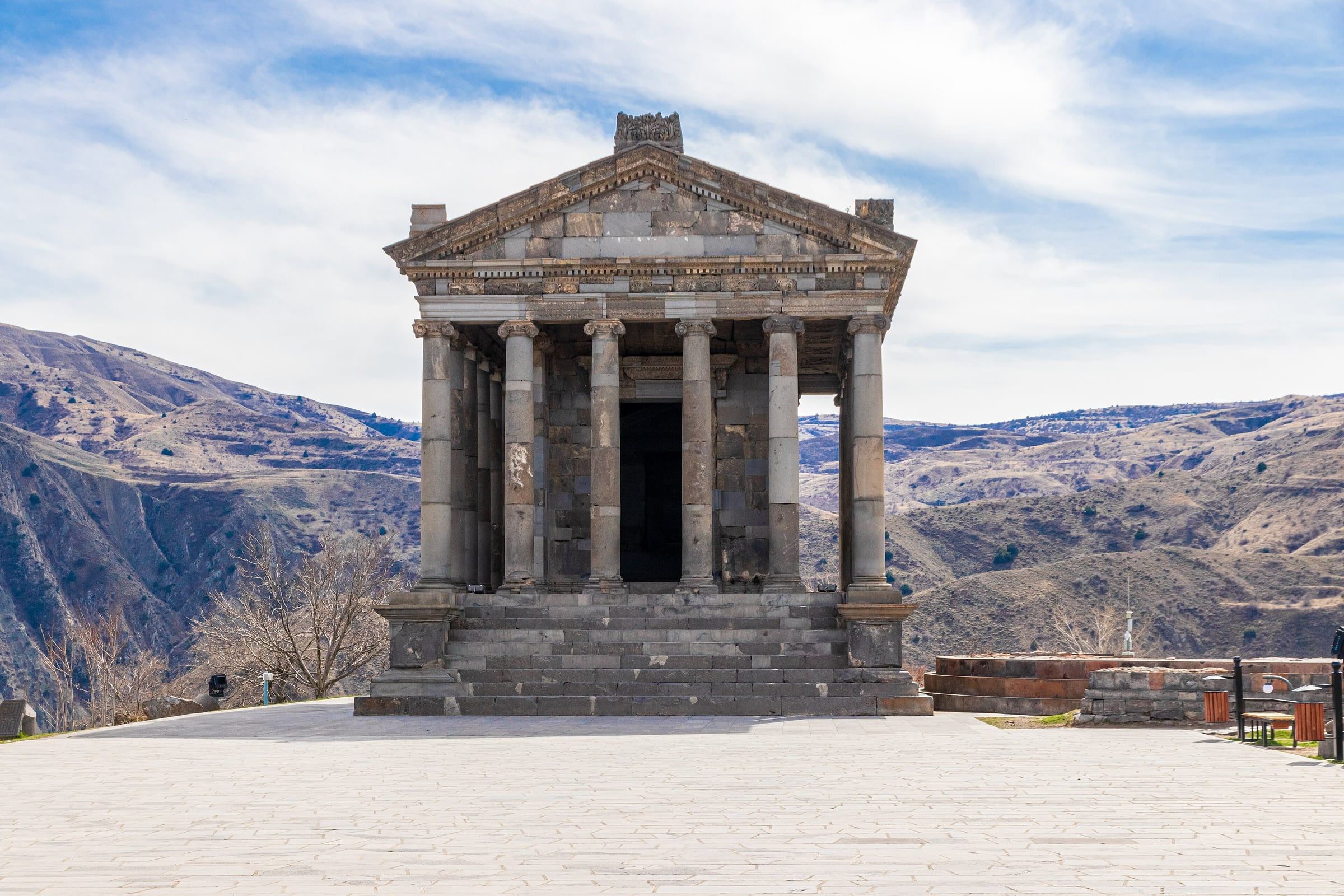
One tour on this site includes lavash baking. It is the full-day trip with Khor Virap, Garni, Geghard, the Symphony of Stones and the Charents Arch. The card below shows the current listing.
Khorovats
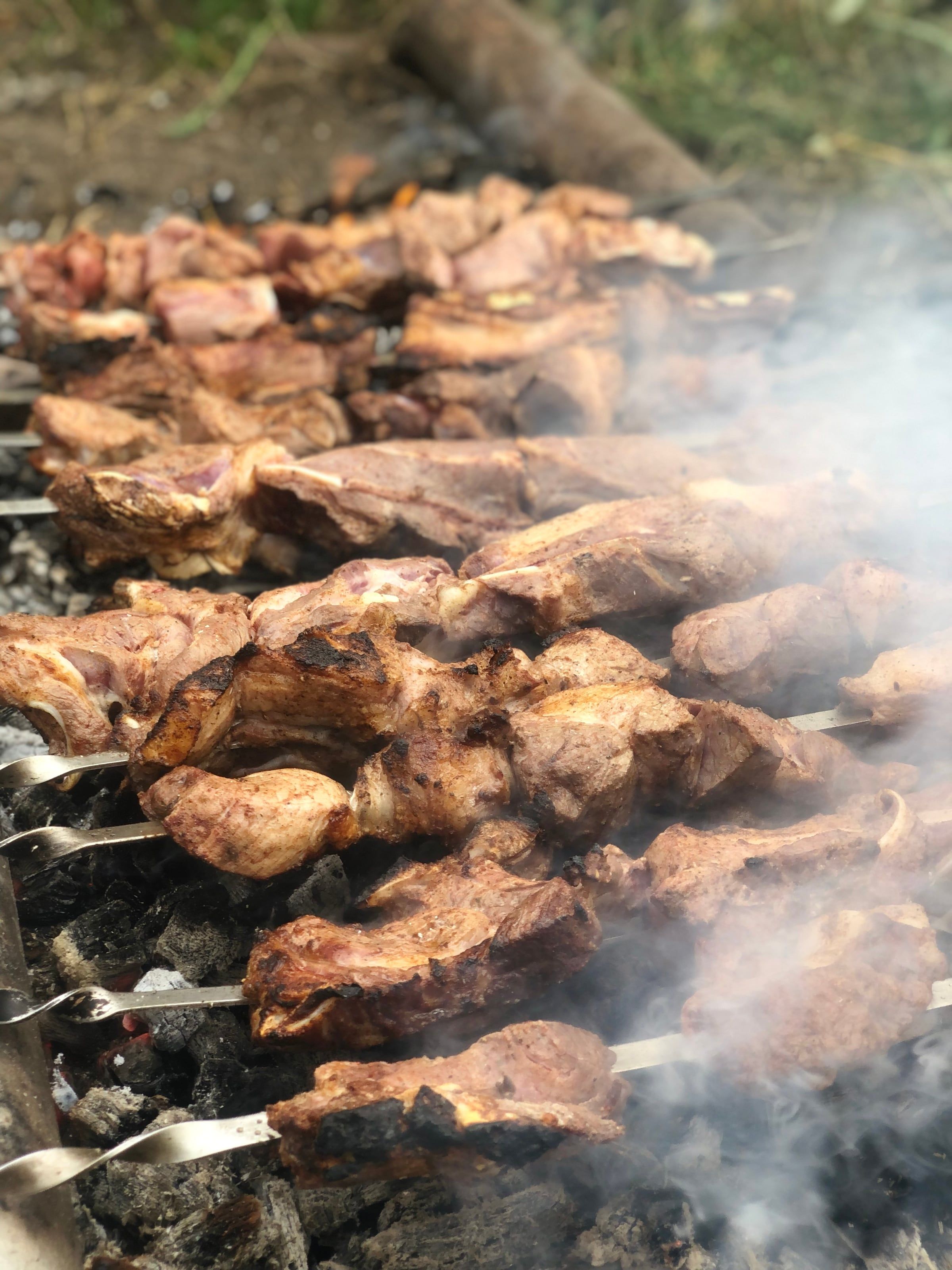
Khorovats is Armenian barbecue. Wikipedia says it is usually made from pork, can also be lamb, and is cooked on skewers with vegetables such as aubergine, tomato and green pepper. If you do not eat pork, ask what you are being served.
Dolma, harissa and gata
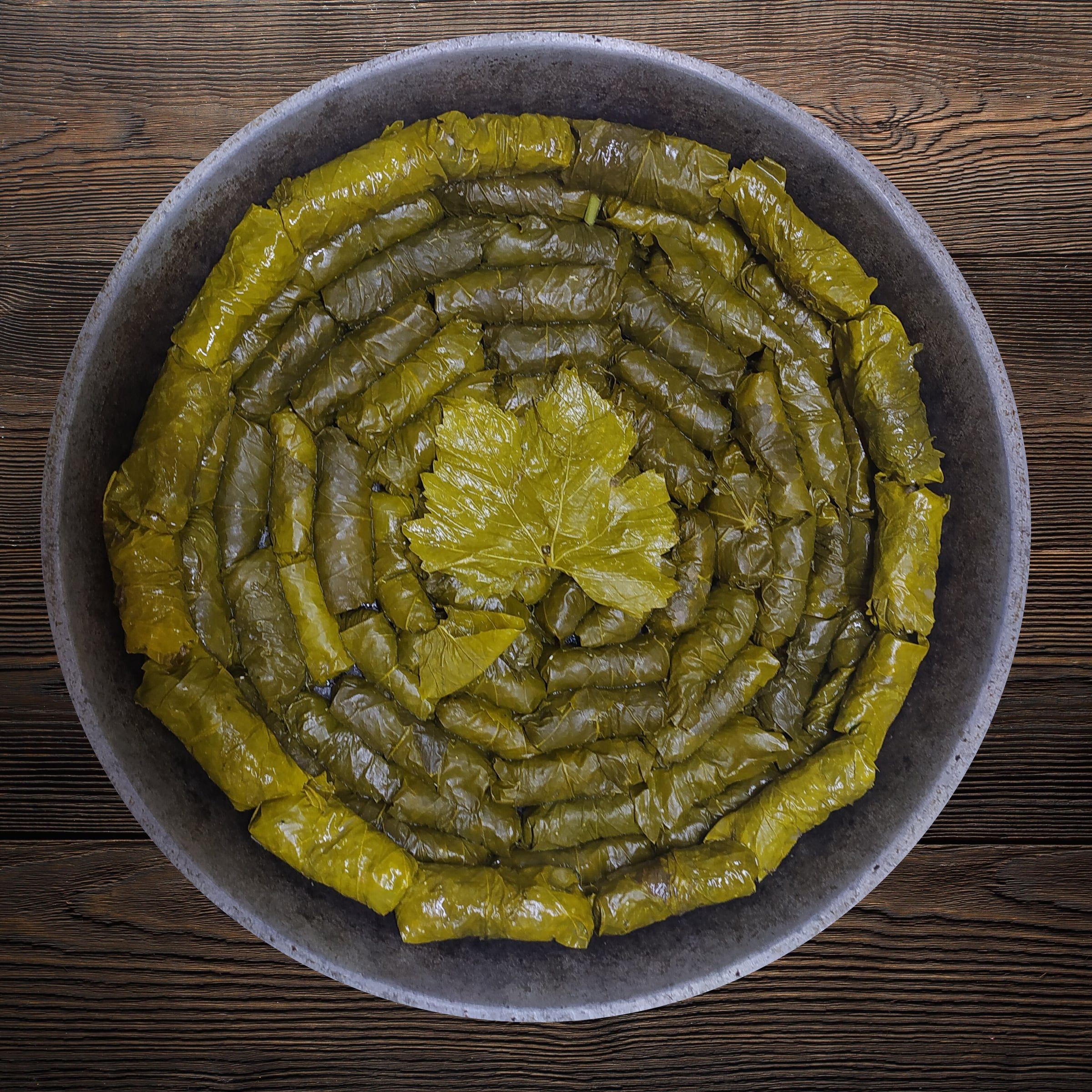
Wikipedia says dolma, stuffed dishes, are widespread in Armenia. The filling is usually spiced ground beef and rice, wrapped in vine leaves, cabbage or other vegetables.
Harissa is, in Wikipedia’s words, a thick porridge of wheat and meat cooked together for a long time. It is traditionally made for feast days, and Wikipedia calls it the Armenian national dish.
Gata is an Armenian pastry or sweet bread with many regional variations. Wikipedia says a common filling is koritz, a mix of flour, butter and sugar, and walnuts are another.
Wikipedia also notes that the apricot, Prunus armeniaca, is named after Armenia.
Brandy
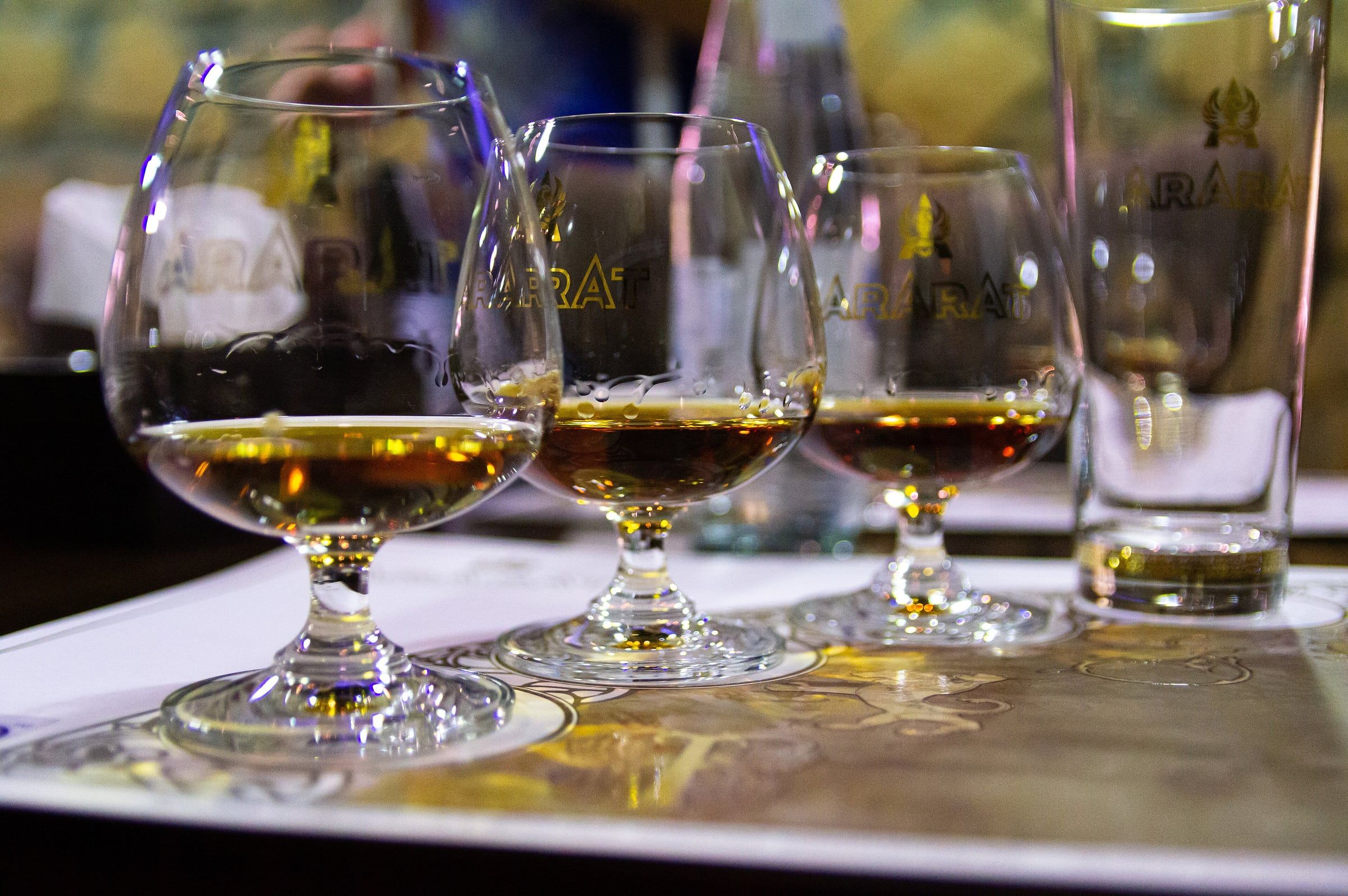
Ararat is a brand of Armenian brandy. Wikipedia says the Yerevan Brandy Company traces its history to 1877, though its wording on the date is muddled, so treat it as approximate. The brandy is made from white grapes and spring water.
On ageing, Wikipedia says “ordinary brandies” are aged 3 to 6 years and “aged brandies” 10 to 30 years. It says the brandy is sold mainly in former Soviet countries, where it is marketed as Armenian cognac. A story that a Paris prize in 1900 let it use that name is disputed, so we do not repeat it as fact.
Some tours to Dilijan and Lake Sevan stop at a wine and brandy factory in Ijevan. Ijevan is the southern end of the M16/H26 road stretch that the FCDO advises against travelling on. Do not continue from Ijevan towards Noyemberyan, and read our safety page first.
Wine
Wikipedia says the Areni-1 cave winery in Vayots Dzor, found in 2011, dates to about 4100 BC. It describes it as the oldest wine production site in the world. Areni is a red grape and Voskehat a white one. The Areni wine festival began in 2009. Wikipedia adds that Armenia was a major brandy producer in the Soviet era.
We have not checked which wineries take visitors, so we do not list any.
Words for the table
Our practical information page has a short list of Armenian phrases, including how to ask for the bill. For paying, see money and currency.