The short answer
GOV.UK does not advise against travel to Armenia as a whole. It advises against all travel to two named areas, and it describes crime levels as low. We checked the GOV.UK pages on 25 October 2026. The warnings page showed “Still current at: 25 October 2026” and “Updated: 1 March 2026”.
We are an independent guide, not the government, and we cannot tell you what is safe. Read the GOV.UK warnings page in the week before you travel.
The two areas FCDO advises against
The GOV.UK warnings page says, word for word:
- “FCDO advises against all travel to within 5km of the entire eastern border between Armenia and Azerbaijan, due to tensions between the 2 countries.”
- “FCDO advises against all travel along the M16/H26 road between the towns of Ijevan and Noyemberyan, due to border tensions.”
GOV.UK also says: “The border with Azerbaijan remains closed.” Those two areas are the only ones the advice names.
What the advice says about Garni and the other sights
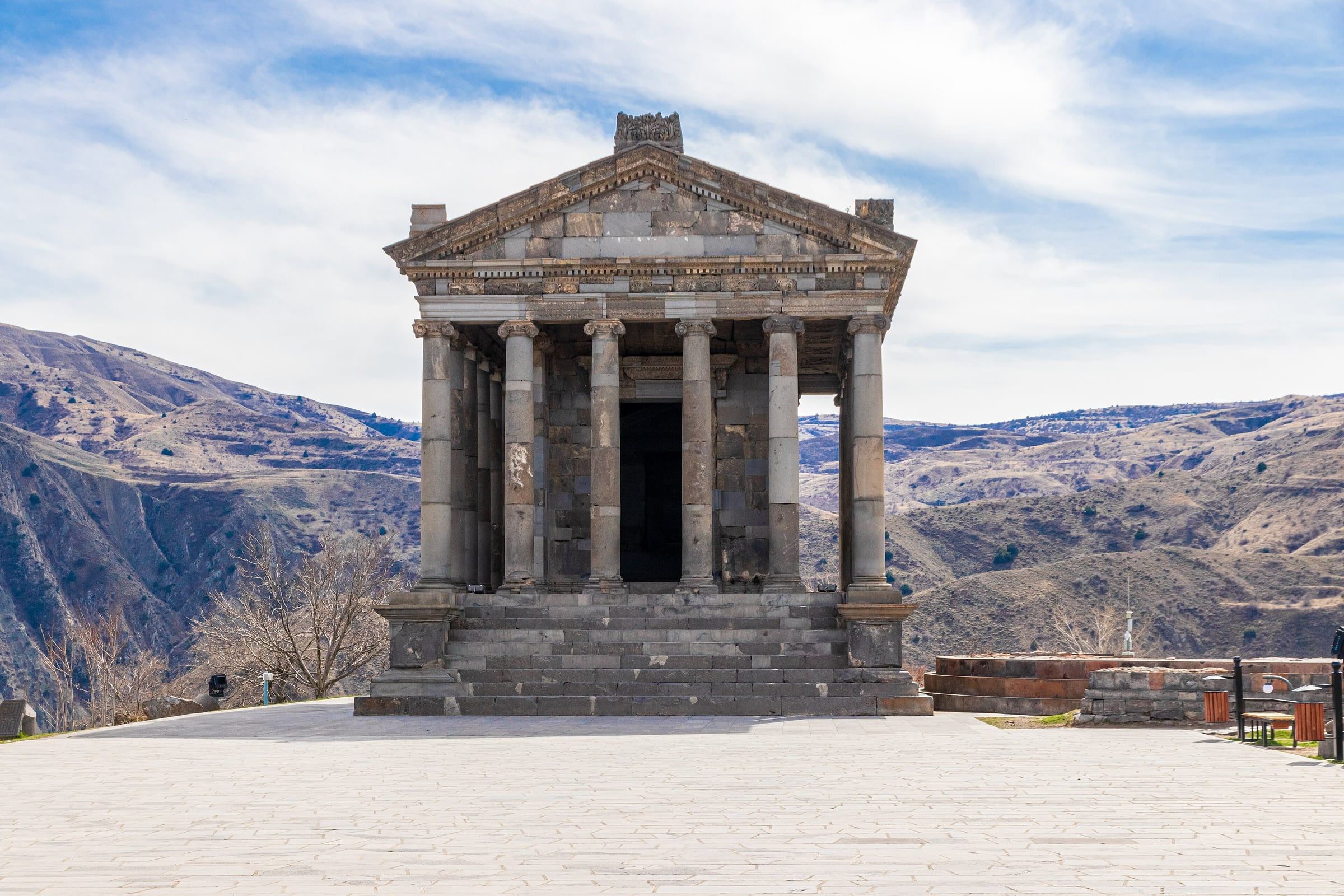
Garni, Geghard, Yerevan, Khor Virap and Sevanavank are not named in either warning. GOV.UK does not mention those places at all in the text we read. It also does not mention Lake Sevan, Dilijan or Gyumri. So nothing about them can be attributed to GOV.UK, and we are not claiming they are safe. We are saying what the advice names, and what it leaves out.
Ijevan
Ijevan is the southern end of the M16/H26 stretch that FCDO advises against. Some tours to Dilijan and Lake Sevan stop at a wine and brandy factory in Ijevan. If a tour or a driver suggests continuing from Ijevan towards Noyemberyan, do not follow that stretch of road, and check the current GOV.UK advice.
Dilijan is in Tavush province, but the road the advice names runs from Ijevan to Noyemberyan. We say only that the advice names those two areas, and we do not say Dilijan is safe or unsafe. Re-read the GOV.UK page before travel.
How to use this advice
The GOV.UK pages we read name two areas and give general advice. They do not rate individual towns, so a place missing from the warnings is not the same as a place GOV.UK has assessed. Our approach is to quote what the advice names, link to it and leave the decision to you.
Before you book, do these things:
- Read the warnings page and the safety and security page on GOV.UK.
- Check where any tour or driver plans to take you, and compare the route with the two named areas.
- Re-read the page just before you fly, because the “Updated” date can change.
Insurance
GOV.UK says your travel insurance could be invalidated if you travel against advice. It also says insurance should cover your itinerary, planned activities and expenses in an emergency. Check your policy against the two areas above before you book.
Crime
GOV.UK says: “Crime levels are low.” It lists occasional pickpocketing, bag-snatching, car theft and burglary. It advises using ATMs carefully, especially after dark. It also says public transport is often overcrowded, particularly in Yerevan, and that protests occur in central Yerevan and other major cities.
Roads and driving
GOV.UK says: “The standard of driving is poor.” It says roads are in poor condition, especially from November to February, and it discourages driving outside cities in the dark. That matters for a Garni trip, because the road leaves Yerevan. Our getting there guide covers your options, including tours and taxis.
Taxis
GOV.UK says: “If you hail taxis on the street you risk being scammed for high fares.” It recommends the GG app. It also notes occasional reports of harassment involving single female passengers.
Earthquakes
GOV.UK says there is a risk of earthquakes. The last serious one was in 1988 in the Lori region in the north. GOV.UK says nothing more specific on this in the text we read.
Arriving at Zvartnots
If you take a taxi from the airport, note that GOV.UK recommends the GG app and warns about street-hailed taxis. The airport’s own transport page lists taxi desks in the arrivals hall, including Carwiz and Eco Taxi. We have not compared their fares. Wikipedia says the airport has partnered with Yandex Taxi since 2019, a secondary source, and GOV.UK does not mention that app.
Rail from Georgia
If you arrive on the cross-border train from Georgia, GOV.UK advises securing your valuables, not leaving the compartment unattended and locking the door from the inside.
Emergency numbers
The GOV.UK getting help page gives 911 for emergency services. Other sources list 112, so see our practical information page for both. For entry rules, read entry requirements.